Posted on 3/27/2026
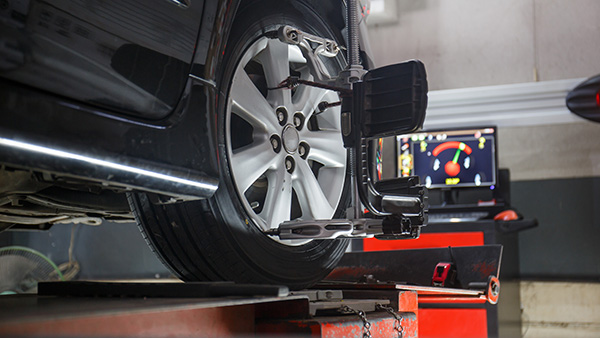
A car that pulls to one side can be annoying in a way that’s hard to explain. Sometimes it’s subtle, like you’re always nudging the wheel back, and other times it feels like the car is actively steering for you. The tricky part is that the cause isn't always what people expect, and it can change depending on the road you’re on. If you want to fix it for real, the first step is figuring out what kind of pull you have. Start by noticing the pattern before you chase the fix. Start With The Pull Pattern Begin on a straight, flat stretch of road where traffic is light, and keep your grip relaxed but ready. If the car consistently drifts to the same side within a couple of seconds, that’s a stronger clue than a slow drift that takes half a block. Pay attention to whether it happens more during acceleration, braking, or steady cruising. Next, notice whether the steering wheel sits off-center when you’re trying to drive straight. An ... read more
Posted on 2/27/2026

Engines can feel a little off in ways that are hard to describe. Maybe it starts fine, but feels weak on hills, or it idles a bit rough and never quite smooths out. Sometimes the check engine light shows up and the car still drives, just not like it used to. When symptoms suggest an engine that may not be sealing and building pressure as it should, a compression test is one of the clearest ways to assess the engine’s mechanical health. It gives you a yes or no direction before you spend money chasing the wrong thing. Engine Compression Test Basics Compression is the pressure an engine builds inside each cylinder when the piston comes up on the compression stroke. Good compression means the cylinder is sealing well, which supports power, a smooth idle, and efficient combustion. Low compression means the cylinder is leaking pressure somewhere, and that leak changes how the engine runs. This test is most helpful when you want to separate engine wear from bolt-o ... read more
Posted on 1/30/2026
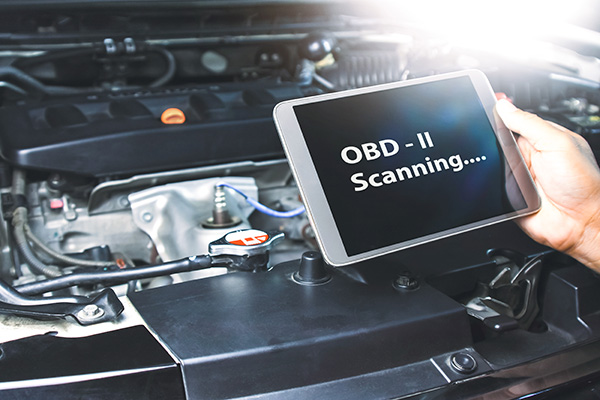
A check engine light has a way of showing up when your car feels perfectly normal. That’s why a lot of people grab a code reader, see a code, and assume the mystery is solved. The problem is that the code is usually just the first breadcrumb. If you treat it like a shopping list, you can replace parts all month and still have the light staring back at you. What A Code Reader Actually Gives You A basic code reader tells you what fault code the computer stored. That is useful because it points you toward a system, like misfire, fuel trim, oxygen sensor feedback, or an evaporative emissions leak. Some readers also show whether the code is current or stored, which can help you tell if it is happening now or happened once. What it usually does not do is prove the cause. It cannot tell you if a sensor is wrong or if the sensor is reporting a real problem upstream. It also cannot confirm things like vacuum leaks, fuel pressure, weak ignition under load, or wiring is ... read more
Posted on 12/19/2025
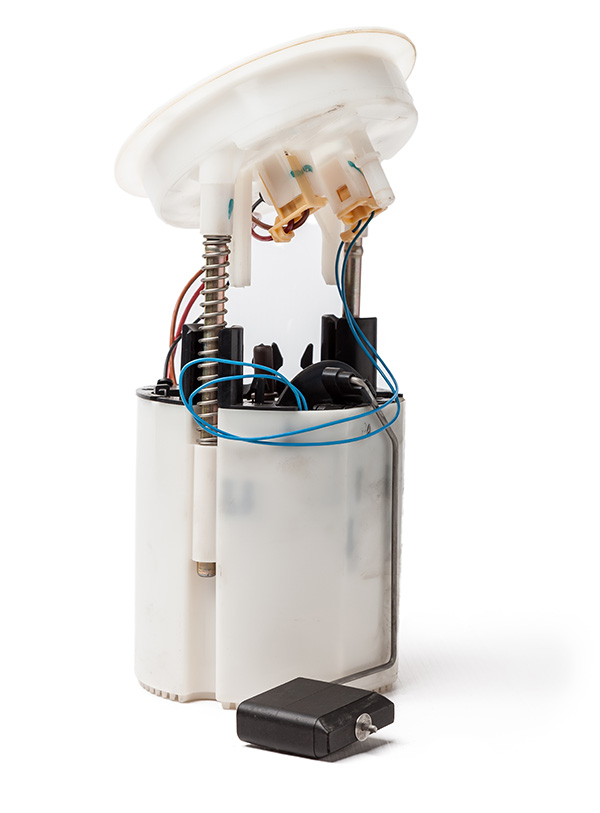
Holiday trips usually mean long highway miles, heavier loads, and busier traffic than your car sees the rest of the year. If your fuel pump is already weak, that extra stress is often what finally exposes it. A fuel pump that quits on the way to see family can turn a fun drive into a tow bill, so it helps to know the early warning signs before you hit the road. Why Fuel Pumps Tend to Fail on Long Trips Fuel pumps work hardest when the vehicle is under load and the fuel system is hot. Holiday driving often means climbing grades, cruising at higher speeds, and sitting in traffic with a full car. A pump that was “just OK” around town can start to struggle when it has to deliver steady pressure for hours at a time. On top of that, many trips start with a cold-soaked car, then go straight into highway speeds. Heat builds in the fuel tank and pump, especially if the tank is kept near empty. That heat, combined with age, is a big reason pumps often fail far fr ... read more
Posted on 11/28/2025
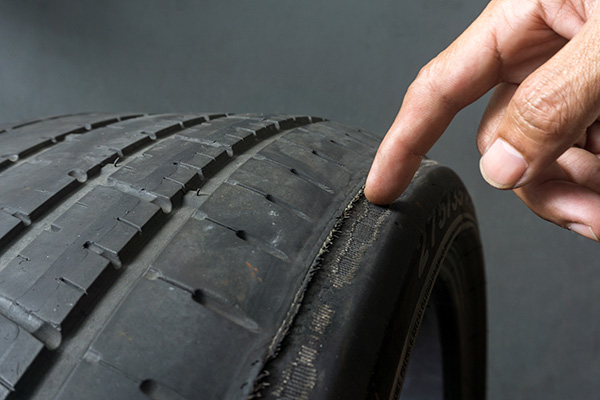
Tires rarely wear out evenly. When the tread disappears on one edge or a strange hum shows up at speed, the suspension is usually telling you it needs attention. Ball joints loosen, bushings compress, and shocks or struts lose their grip on body motion. If those parts stay worn, fresh tires get chewed up long before their time. A short inspection today is cheaper than buying another set of rubber a few months from now. How Worn Shocks and Struts Eat Tread Springs carry the weight, but shocks and struts control the bounce. When damping fades, the tire keeps hopping after a bump. That bouncing scrubs tread in a sawtooth pattern called cupping or scalloping. You will hear a rhythmic drumming that gets louder with speed and worse on concrete. New tires may quiet the noise for a few weeks, then the pattern returns because the real problem is still there. Replacing weak dampers stops the hop, so the next set wears flat. Bushings and Ball Joints Change Alignment ... read more
Posted on 10/31/2025
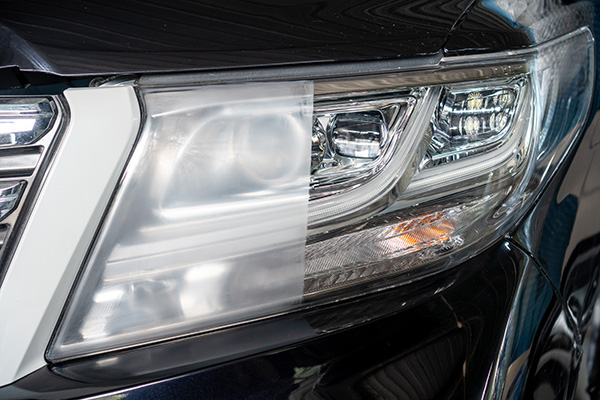
It’s easy to overlook the condition of your headlights, especially when they still light up at night. But over time, exposure to sunlight, weather, and road debris can cause the outer lens of your headlights to become cloudy or yellowed. This haze not only makes your car look older but also significantly reduces the amount of light that reaches the road, creating a real safety concern during nighttime or poor weather driving. Dull or oxidized headlights can reduce visibility by as much as 70 percent, making it harder to spot pedestrians, signs, and hazards. If you've noticed that your headlights just aren’t as bright as they used to be, it may not be the bulbs. The problem is often right on the surface. What Causes Headlight Lenses to Dull? Most modern vehicles use plastic headlight covers made of polycarbonate. This material is strong and shatter-resistant, but it’s vulnerable to UV radiation. Over time, UV rays break down the outer layer of t ... read more
Posted on 9/26/2025

Rainy weather in Los Angeles arrives suddenly, and when it does, your windshield wipers become one of the most important safety features on your car. Unfortunately, many drivers overlook their condition until it’s too late. Streaking blades, loud squeaks, or reduced visibility during a downpour are clear signs your wipers may not be doing their job. We’ll stress the importance of windshield wiper maintenance, highlight key warning signs to look for, and explain how timely replacements can help keep you safe on the road. Why Healthy Wipers Are Critical for Driving Safety Windshield wipers play a much larger role in road safety than most people realize. Their primary job is maintaining clear visibility, but their performance directly affects reaction time, especially when driving through heavy rain or highway spray. Poor wiper function can reduce your field of vision, increasing the risk of accidents. In cities like Los Angeles, where dry conditions domin ... read more
Posted on 8/29/2025

Seeing smoke come from your car’s tailpipe can feel alarming, especially if it’s a color you don’t normally notice. While a little vapor in cold weather is normal, thick or tinted smoke from your exhaust could signal a problem that needs attention. The color of the smoke can help narrow down what’s wrong and how serious it might be. These are the most common smoke colors and what they might mean for your engine, emissions, or fluid systems. Normal Vapor vs. Real Smoke Before jumping to conclusions, it’s important to know that white vapor coming from the tailpipe on cold mornings is typically harmless. This is just condensation in the exhaust system evaporating as the car warms up. However, if that “vapor” doesn’t fade after a few minutes or if it becomes thick, continuous smoke, that’s when you should start paying closer attention. White Smoke: What It Often Means Thick white smoke is usually ... read more
Posted on 7/25/2025
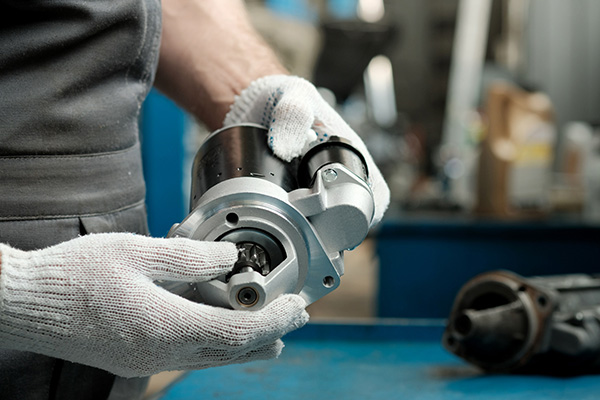
Your vehicle’s starter plays a critical role every time you turn the key or press the ignition button. It’s responsible for turning over the engine so that it can begin running on its own. When the starter begins to fail, it often leaves drivers frustrated and stranded at the worst possible times. Recognizing the symptoms of a bad starter early can help you avoid unexpected breakdowns and costly repairs. What Does the Starter Do The starter is an electric motor connected to your engine’s flywheel. When you start your car, the starter engages and spins the engine so it can begin its normal operation. Once the engine fires up, the starter disengages and stops working until the next time you start the car. Because it handles high electrical loads and strong mechanical forces, the starter is subject to wear over time. Clicking Noise When Turning the Key One of the most common signs of a failing starter is a clicking sound when you tr ... read more
Posted on 6/27/2025

Everyone knows texting while driving is dangerous. But what about sending a quick message or checking social media while sitting at a red light? It may seem harmless, but looking at your phone even when your car isn’t moving can still lead to serious consequences. From safety risks to legal trouble and long-term habits that affect how you drive, texting at red lights isn’t as innocent as it may feel. We'll explain why this behavior should be avoided, even if your foot is on the brake. You’re Still Behind the Wheel It’s easy to forget that when you’re stopped at a red light, you’re still driving. Your car might not be in motion, but you're still responsible for what happens next. Traffic patterns can change quickly. If the light turns green and you’re buried in your phone, you could delay traffic, frustrate other drivers, or even cause a rear-end collision if you take off without looking. Many accidents at intersecti ... read more