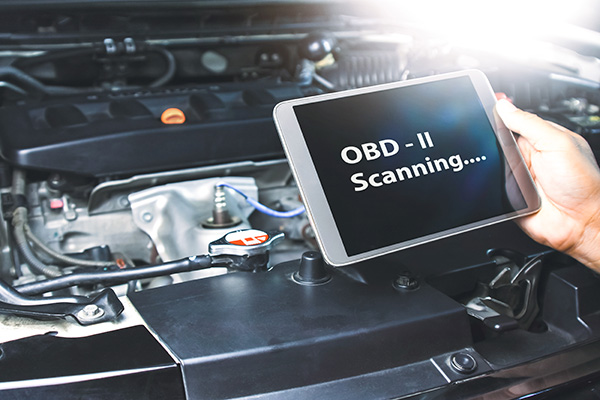
A check engine light has a way of showing up when your car feels perfectly normal. That’s why a lot of people grab a code reader, see a code, and assume the mystery is solved. The problem is that the code is usually just the first breadcrumb.
If you treat it like a shopping list, you can replace parts all month and still have the light staring back at you.
What A Code Reader Actually Gives You
A basic code reader tells you what fault code the computer stored. That is useful because it points you toward a system, like misfire, fuel trim, oxygen sensor feedback, or an evaporative emissions leak. Some readers also show whether the code is current or stored, which can help you tell if it is happening now or happened once.
What it usually does not do is prove the cause. It cannot tell you if a sensor is wrong or if the sensor is reporting a real problem upstream. It also cannot confirm things like vacuum leaks, fuel pressure, weak ignition under load, or wiring issues that cut out only when the engine moves.
Why The Same Code Can Point To Different Causes
This is where people get tripped up. Many codes describe a condition, not a broken part. A lean code can be caused by extra air getting in, low fuel delivery, an exhaust leak near a sensor, or a sensor that is slow or inaccurate. The computer is saying the mixture looked wrong, not that a specific component failed.
Misfire codes are another classic example. A misfire can come from spark plugs, coils, fuel injectors, low compression, or even coolant getting into a cylinder. Two cars can show the same code and need two completely different repairs, which is why swapping parts based on a code is basically a gamble.
What Engine Testing Looks Like In Real Life
A scan tool is a starting point, not a verdict. The goal is to gather enough solid clues that we can stop guessing and get to the actual cause.
We usually start with the stored snapshot that came with the fault. That freeze-frame data shows what the engine was doing when the light turned on, things like temperature, speed, load, and fuel correction. Then we compare that to what the car is doing right now, because a problem from last week might not behave the exact same way today.
After that, we verify the likely suspects with real checks. That can include looking at fuel trim numbers to see if the engine is compensating for extra air, watching misfire activity under load, smoke testing the intake for leaks, and confirming fuel pressure and ignition performance. The point is to prove what’s wrong with evidence, not chase parts because a code sounded convincing.
Small Misfires And Fuel Issues: Where The Money Goes
A mild misfire can feel like a small stumble, a shaky idle, or a hesitation right when you need smooth acceleration. Sometimes it only shows up on a cold start, sometimes it shows up during a long drive, and sometimes it appears when you climb a hill. If it is intermittent, it can take more than one quick scan to catch it.
Fuel issues can be just as sneaky. A weak pump, restricted filter, or uneven injector flow can create hesitation that feels like the engine is holding its breath. The reason this gets expensive is that misfires and poor fueling can overheat the catalytic converter over time. We have seen plenty of cars that could have been a straightforward ignition or fuel repair, but the driver kept going and the converter took the hit.
Owner Mistakes That Make The Light Harder To Solve
A few habits make check engine light problems drag on longer than they should.
- Clearing the code immediately, which wipes freeze frame clues that can shorten diagnostics
- Replacing the part mentioned in the code description without confirming the real cause
- Ignoring a flashing light or rough running, which can turn one repair into two
- Using multiple parts store scans as the main plan instead of actual testing
Another big one is assuming the car is fine because it still drives. A car can run acceptably while it is compensating hard in the background. That compensation is often the reason the light came on in the first place.
A Practical Decision Guide When The Light Comes On
If the light is flashing, or the engine is shaking, stumbling, or down on power, cut back on driving and get it checked soon. If the light is steady and the car feels normal, you can usually drive short distances, but don’t let it sit for weeks. Problems that start as a minor fault can turn into rough running, poor mileage, or a failed emissions test if they’re ignored.
It also helps to remember what was going on when the light came on. Did it show up right after you filled up, during the first start of the day, after a long highway stretch, or while going uphill? Those details seem small, but they often point straight to the conditions that trigger the issue.
Get Check Engine Light Service in Santa Monica, CA with 26th Street Auto Center
If your check engine light is on, we can pull the stored information, confirm what the engine is doing in real time, and test the system involved so you’re not guessing at parts. We’ll explain what we found and recommend a repair plan that fits the evidence. Get check engine light service in Santa Monica, CA with 26th Street Auto Center, and we’ll help you get the light handled for the right reason.