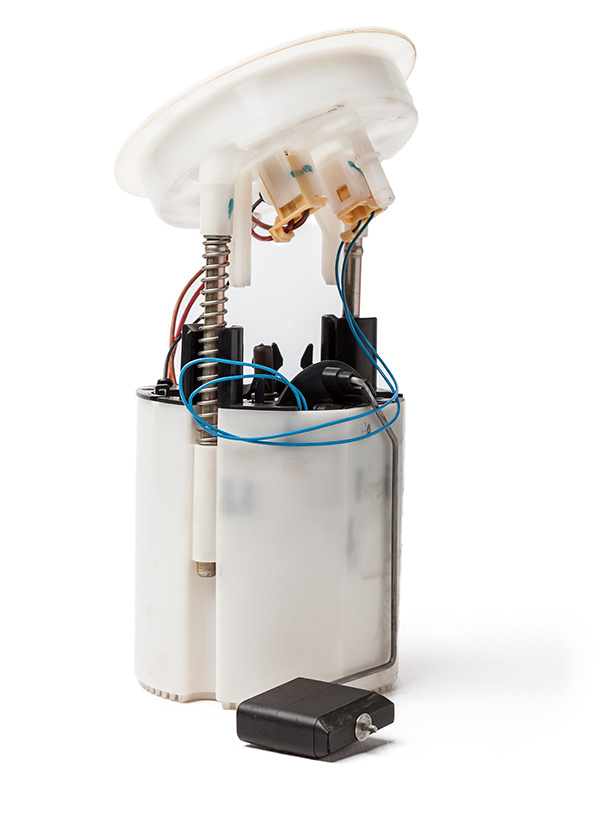
Holiday trips usually mean long highway miles, heavier loads, and busier traffic than your car sees the rest of the year. If your fuel pump is already weak, that extra stress is often what finally exposes it.
A fuel pump that quits on the way to see family can turn a fun drive into a tow bill, so it helps to know the early warning signs before you hit the road.
Why Fuel Pumps Tend to Fail on Long Trips
Fuel pumps work hardest when the vehicle is under load and the fuel system is hot. Holiday driving often means climbing grades, cruising at higher speeds, and sitting in traffic with a full car. A pump that was “just OK” around town can start to struggle when it has to deliver steady pressure for hours at a time.
On top of that, many trips start with a cold-soaked car, then go straight into highway speeds. Heat builds in the fuel tank and pump, especially if the tank is kept near empty. That heat, combined with age, is a big reason pumps often fail far from home rather than in your own neighborhood.
Early Warning Signs Your Fuel Pump Is Struggling
Most fuel pumps give you some hints before they quit completely. Watch and listen for:
- Occasional stumbling or hesitation when you accelerate onto the highway
- A sudden loss of power when climbing hills or passing
- Longer cranking before the engine starts, especially after the car has been sitting
- A faint whining or humming sound from the rear of the vehicle that has gotten louder over time
- Random stalling that clears up once the car cools down
If you notice more than one of these, especially on warmer days or after longer drives, the fuel system deserves a closer look before a road trip.
Common Driving Situations That Reveal a Weak Fuel Pump
A weak pump often behaves differently depending on how you drive. Some of the situations that really expose it include:
- Long, steady highway runs where the engine needs continuous fuel flow
- Stop-and-go traffic on hot days, which heats the pump and fuel in the tank
- Steep climbs or mountain passes where the engine is under load for minutes at a time
- Heavy passenger and cargo loads that make the engine work harder than usual
- Running the tank very low, which leaves the pump less cooled and lubricated by fuel
If the car feels mostly fine at light throttle but acts up in these conditions, that pattern can help a technician zero in on a fuel delivery issue.
Owner Habits That Shorten Fuel Pump Life
Fuel pumps are cooled and lubricated by the fuel they sit in, so everyday habits have a big impact on how long they last. Some patterns that are hard on pumps include:
- Frequently driving with the fuel level at or below a quarter tank
- Ignoring a clogged or overdue fuel filter that makes the pump work harder
- Using poor-quality or contaminated fuel from stations with low turnover
- Letting a vehicle sit for long periods with old fuel in the tank
- Repeatedly running the tank very low on hot days or long trips
Changing a fuel filter on schedule where the design allows, and keeping a reasonable amount of fuel in the tank, are simple ways to protect an expensive pump.
How Technicians Diagnose Fuel Pump Problems Without Guessing
Because symptoms like hesitation and stalling can also come from ignition or sensor issues, guessing at a bad fuel pump is risky. A proper diagnosis usually includes measuring fuel pressure and volume under different conditions, not just at idle. We like to see how pressure responds during cranking, during a hard acceleration, and while the engine is under load.
Technicians also check the electrical side: power and ground at the pump, condition of connectors, and the operation of relays and control modules. In some cases, scan tool data will show lean codes or fuel trim patterns that support what the pressure gauge is telling us. The goal is to confirm the pump is really the weak link before recommending replacement.
Should You Drive When You Suspect a Fuel Pump Issue?
If you have had a one-time stumble months ago and the car has been fine since, you may be able to wait and have it checked at your next service. But if hesitation, loss of power, or stalling are happening more often, especially under load or on hot days, it is safer to address the issue before a long holiday trip.
A pump that is already struggling can fail without much warning, leaving you with a car that cranks but will not start. Once you see a clear pattern of hard starting, repeated stalling, or strong hesitation, treating it as a “before the trip” repair rather than an “after the holidays” project usually saves you from being stuck on the side of the road.
Get Fuel Pump Service in Los Angeles, CA, with 26th Street Auto Center
We can test your fuel pressure, inspect filters and wiring, and road test the car to see how the fuel system behaves under real driving conditions. If the pump or related parts are weak, we will explain your options so you can fix the problem before it spoils your holiday plans.
Call 26th Street Auto Center in Los Angeles, CA, to schedule fuel system service and head into your next trip with confidence.