Posted on 8/28/2026
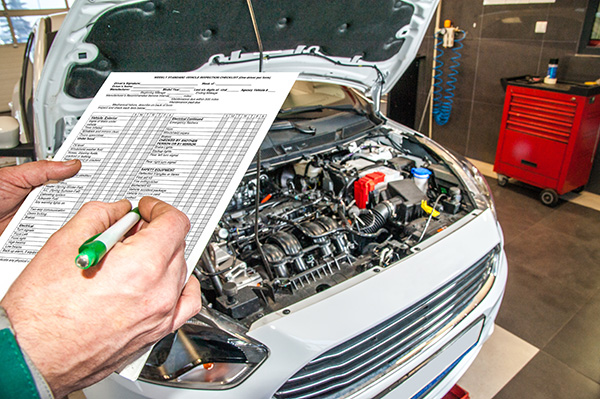
A vehicle reaching 100,000 miles has completed an important milestone, but the odometer does not automatically determine which parts must be replaced. The correct service plan depends on the manufacturer’s schedule, vehicle age, prior repairs, driving conditions, and the condition of each system. At this mileage, heat cycles, vibration, fluid breakdown, and normal wear begin affecting several components at the same time. Reviewing maintenance records and completing a thorough inspection helps separate overdue service from work that has already been completed. 1. Fluid Replacement And Leak Checks High-mileage vehicles may need several fluids serviced, particularly when records are missing or intervals were delayed. Engine coolant, transmission fluid, brake fluid, differential oil, transfer case fluid, and hydraulic power steering fluid all perform different jobs and require separate specifications. Old coolant can lose corrosion protection, while brake fluid a ... read more
Posted on 7/31/2026
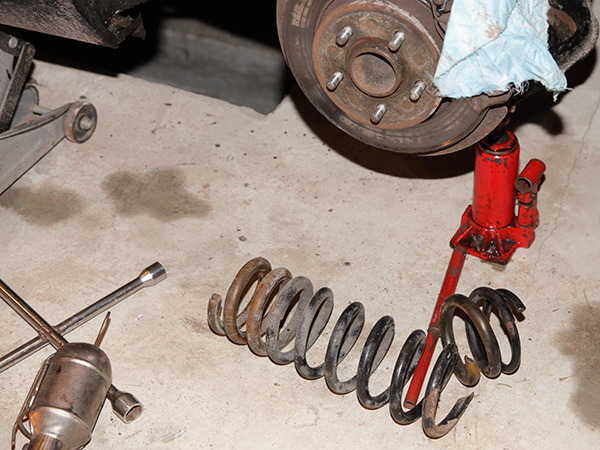
SUVs are heavier than many sedans and compact cars, so it makes sense to wonder whether the suspension is more likely to break. The vehicle sits higher, carries more weight, and may be used for family driving, cargo, rough roads, or weekend trips. The answer is not as simple as saying heavier means weaker. SUV suspension parts are designed for the vehicle’s size and weight. Still, extra weight can create more load on shocks, struts, bushings, ball joints, tires, and steering parts over time. How the SUV is driven and maintained can make a big difference in how long those parts last. SUV Weight Changes Suspension Workload The suspension supports the vehicle’s weight while controlling movement over bumps, dips, turns, and braking. A heavier SUV puts more force through the suspension than a lighter car, especially during hard stops, sharp turns, pothole hits, and rough pavement. That does not mean the suspension is poorly built. SUVs are engineered with he ... read more
Posted on 6/26/2026
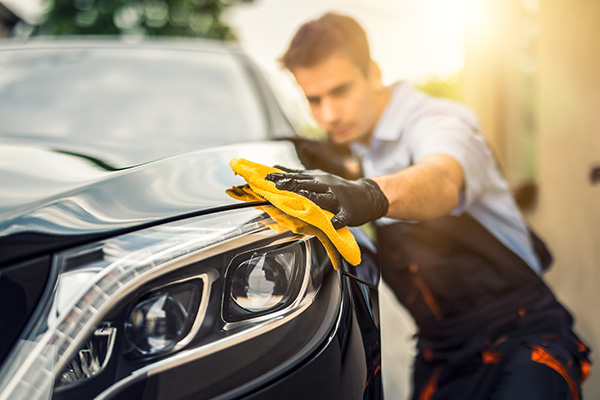
Keeping a vehicle clean sounds simple until the week gets busy. Work runs late, errands stack up, and the car slowly collects dust, crumbs, coffee spots, pet hair, and road grime. By the time it needs real attention, driving somewhere and waiting around can feel like one more task nobody wants to fit in. That is a big reason mobile auto detailing keeps gaining attention in 2026. Drivers want the car cleaned well, but they also want the service to fit into their schedule. Having the detailing come to you changes the whole experience. Why Mobile Auto Detailing Fits Modern Schedules Many drivers do not have time to spend half a day waiting at a detail shop. Mobile auto detailing solves that by bringing the service to a home, office, apartment, parking area, or other approved location. The car gets cleaned while the owner keeps working, stays home with family, or handles the rest of the day. That convenience is not just about saving a few minutes. It removes the planni ... read more
Posted on 5/29/2026
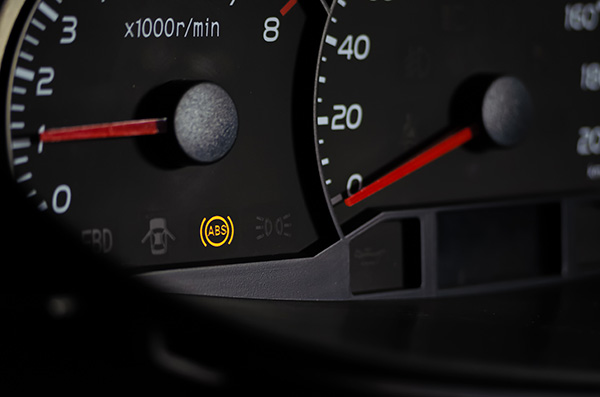
Seeing both the ABS and traction control lights turn on at the same time can be confusing, especially if the car still drives normally. Many drivers assume it is a minor glitch or something that can wait. In reality, these two systems are closely linked, and when they shut off together, the vehicle is telling you that something in the shared system is not working correctly. The issue is not always urgent in the sense that the car will stop moving, but it does affect safety systems designed to help you stay in control. Understanding what is behind those lights helps you decide what to do next. How ABS and Traction Control Are Connected ABS and traction control rely on many of the same components to function. Both systems use wheel-speed sensors, control modules, and braking inputs to monitor each wheel's behavior in real time. ABS steps in during hard braking to prevent the wheels from locking up. Traction control limits wheel spin during acceleration. Because t ... read more
Posted on 4/30/2026
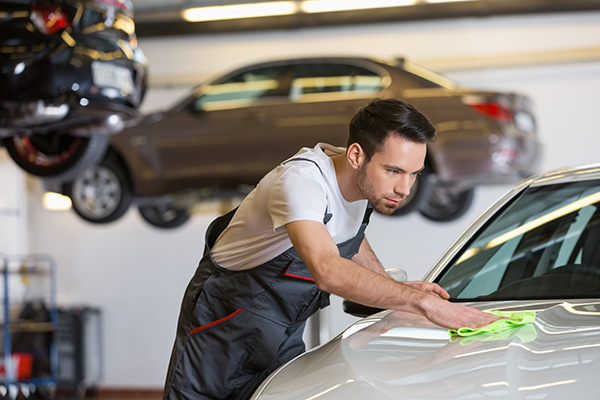
Ceramic coating gets talked about like it is a one-time fix for paint protection. That is part of why drivers get disappointed later. The shine still looks good, but water does not bead the same way, the surface feels different, or the paint seems to pick up contamination more quickly than it did at first. Ceramic coating lasts, but it does not last forever. How Long Does Ceramic Coating Really Last A good ceramic coating can protect paint for years, not weeks or months. The real lifespan depends on the product used, how well the paint was prepared before application, and how the vehicle is treated afterward. Some coatings hold up for around two years. Higher-end options can last several years when the car is properly cared for. That is why the answer is never one simple number. Two cars with the same coating can age very differently if one is parked outside every day, washed poorly, or exposed to harsher driving conditions. What Has The Biggest Effect On ... read more
Posted on 3/27/2026
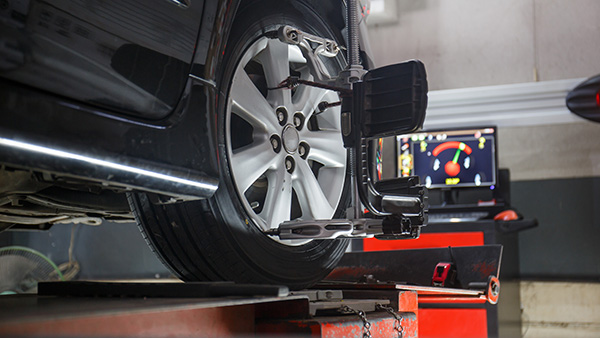
A car that pulls to one side can be annoying in a way that’s hard to explain. Sometimes it’s subtle, like you’re always nudging the wheel back, and other times it feels like the car is actively steering for you. The tricky part is that the cause isn't always what people expect, and it can change depending on the road you’re on. If you want to fix it for real, the first step is figuring out what kind of pull you have. Start by noticing the pattern before you chase the fix. Start With The Pull Pattern Begin on a straight, flat stretch of road where traffic is light, and keep your grip relaxed but ready. If the car consistently drifts to the same side within a couple of seconds, that’s a stronger clue than a slow drift that takes half a block. Pay attention to whether it happens more during acceleration, braking, or steady cruising. Next, notice whether the steering wheel sits off-center when you’re trying to drive straight. An ... read more
Posted on 2/27/2026
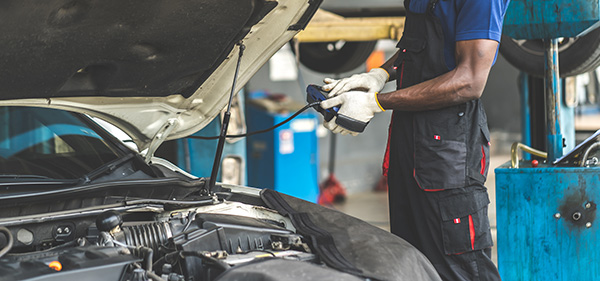
Engines can feel a little off in ways that are hard to describe. Maybe it starts fine, but feels weak on hills, or it idles a bit rough and never quite smooths out. Sometimes the check engine light shows up and the car still drives, just not like it used to. When symptoms suggest an engine that may not be sealing and building pressure as it should, a compression test is one of the clearest ways to assess the engine’s mechanical health. It gives you a yes or no direction before you spend money chasing the wrong thing. Engine Compression Test Basics Compression is the pressure an engine builds inside each cylinder when the piston comes up on the compression stroke. Good compression means the cylinder is sealing well, which supports power, a smooth idle, and efficient combustion. Low compression means the cylinder is leaking pressure somewhere, and that leak changes how the engine runs. This test is most helpful when you want to separate engine wear from bolt-o ... read more
Posted on 1/30/2026
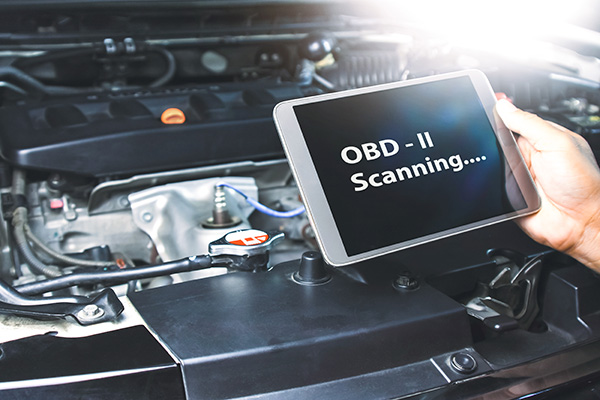
A check engine light has a way of showing up when your car feels perfectly normal. That’s why a lot of people grab a code reader, see a code, and assume the mystery is solved. The problem is that the code is usually just the first breadcrumb. If you treat it like a shopping list, you can replace parts all month and still have the light staring back at you. What A Code Reader Actually Gives You A basic code reader tells you what fault code the computer stored. That is useful because it points you toward a system, like misfire, fuel trim, oxygen sensor feedback, or an evaporative emissions leak. Some readers also show whether the code is current or stored, which can help you tell if it is happening now or happened once. What it usually does not do is prove the cause. It cannot tell you if a sensor is wrong or if the sensor is reporting a real problem upstream. It also cannot confirm things like vacuum leaks, fuel pressure, weak ignition under load, or wiring is ... read more