Posted on 7/31/2026
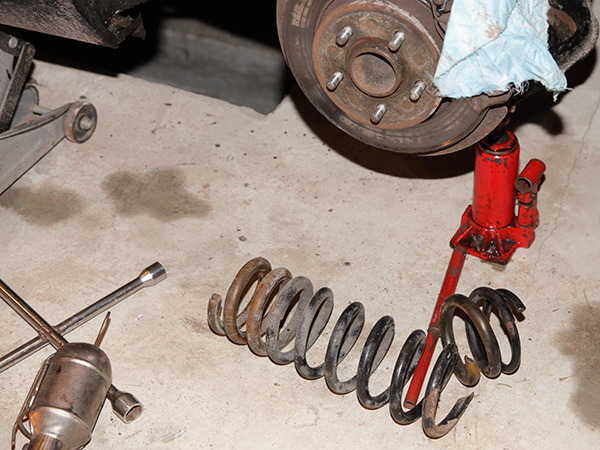
SUVs are heavier than many sedans and compact cars, so it makes sense to wonder whether the suspension is more likely to break. The vehicle sits higher, carries more weight, and may be used for family driving, cargo, rough roads, or weekend trips. The answer is not as simple as saying heavier means weaker. SUV suspension parts are designed for the vehicle’s size and weight. Still, extra weight can create more load on shocks, struts, bushings, ball joints, tires, and steering parts over time. How the SUV is driven and maintained can make a big difference in how long those parts last. SUV Weight Changes Suspension Workload The suspension supports the vehicle’s weight while controlling movement over bumps, dips, turns, and braking. A heavier SUV puts more force through the suspension than a lighter car, especially during hard stops, sharp turns, pothole hits, and rough pavement. That does not mean the suspension is poorly built. SUVs are engineered with he ... read more