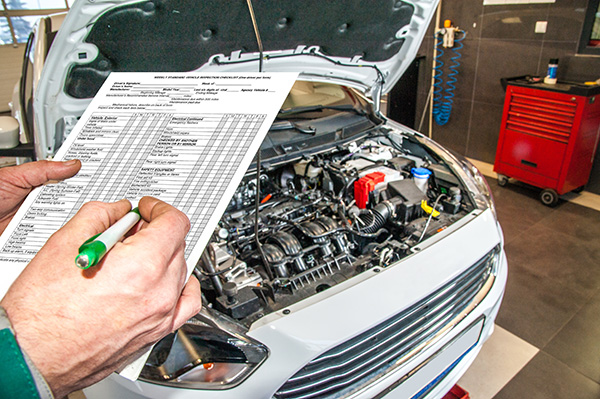
A vehicle reaching 100,000 miles has completed an important milestone, but the odometer does not automatically determine which parts must be replaced. The correct service plan depends on the manufacturer’s schedule, vehicle age, prior repairs, driving conditions, and the condition of each system.
At this mileage, heat cycles, vibration, fluid breakdown, and normal wear begin affecting several components at the same time. Reviewing maintenance records and completing a thorough inspection helps separate overdue service from work that has already been completed.
1. Fluid Replacement And Leak Checks
High-mileage vehicles may need several fluids serviced, particularly when records are missing or intervals were delayed. Engine coolant, transmission fluid, brake fluid, differential oil, transfer case fluid, and hydraulic power steering fluid all perform different jobs and require separate specifications.
Old coolant can lose corrosion protection, while brake fluid absorbs moisture that lowers its boiling point. Transmission and drivetrain fluids collect wear material and lose some of their protective properties through heat and use. Each fluid must meet the exact specification required by the vehicle.
The service plan may include:
- Engine coolant replacement
- Brake fluid replacement
- Transmission fluid service
- Differential fluid service
- Transfer case fluid service
- Power steering fluid service on equipped vehicles
Fluid level and condition should be checked along with seals, hoses, pans, fittings, and housings. Replacing fluid without repairing an active leak can leave the system low again within a short period.
2. Spark Plug And Ignition System Service
Many modern vehicles use long-life spark plugs with replacement intervals near 100,000 miles, though some engines require earlier service. Worn spark plugs need higher voltage to fire, which increases the load on ignition coils and can contribute to misfires, weak acceleration, difficult starting, and reduced fuel economy.
The replacement plugs must have the correct material, heat range, reach, thread design, and gap. Installing plugs that physically fit but do not match the engine’s requirements can affect combustion and damage ignition components.
During spark plug replacement, technicians can also check ignition coils, boots, electrical connectors, and plug wells. Oil inside a plug well often points to a leaking valve cover seal. Cracked boots or corrosion around the coil terminals may create intermittent misfires under load.
3. Cooling System Maintenance
The cooling system protects the engine from excessive heat, and many of its parts become more vulnerable after 100,000 miles. Radiators, water pumps, thermostats, reservoirs, hoses, caps, and plastic fittings can weaken after years of pressure and temperature changes.
Warning signs include dried coolant residue, a sweet odor, low coolant, changing heater output, fan problems, or a temperature gauge that rises above its normal position. Electric water pumps may lose circulation without producing a visible leak, while mechanical pumps can develop bearing noise or seepage.
Cooling system testing may include checking:
- Coolant concentration and condition
- System pressure
- Radiator airflow
- Cooling fan operation
- Thermostat response
- Water pump performance
- Hose and fitting condition
Overheating can damage cylinder heads, head gaskets, pistons, and internal engine surfaces. Cooling system concerns should be addressed before the vehicle is driven under heavy load or in high temperatures.
4. Belt, Hose, And Timing System Service
The serpentine belt drives components such as the alternator, A/C compressor, and water pump on many vehicles. Cracks are not the only sign of wear. Belt ribs can become shallow, glazed, contaminated, or separated, while tensioners and pulleys may develop weak springs or worn bearings.
Cooling hoses, vacuum lines, intake tubes, and other rubber parts can harden or split with age. Oil contamination can quickly weaken rubber, so any leak reaching a belt or hose should be corrected.
Engines equipped with timing belts usually have a replacement interval based on mileage, time, or both. If the timing belt is due and there is no record of previous replacement, the service should not be postponed. Timing chains usually do not have a fixed interval, but rattling, timing faults, or incorrect camshaft operation require diagnostic testing.
5. Brake, Steering, And Suspension Work
Brake pads and rotors may have been replaced several times before 100,000 miles, but calipers, hoses, hardware, and hydraulic components also need attention. Uneven pad wear can indicate restricted movement or a sticking caliper. A soft or sinking pedal points toward a hydraulic concern that requires immediate testing.
Suspension and steering components also accumulate wear. Ball joints, tie rods, control arm bushings, sway bar links, wheel bearings, shocks, struts, and upper mounts should be checked for looseness, leakage, and damaged rubber.
Worn parts may cause:
- Clunking over bumps
- Steering wander
- Uneven tire wear
- Vibration
- Vehicle pulling
- Excessive body movement
- Reduced stability during braking
An alignment cannot provide a lasting correction when loose suspension or steering parts allow the wheel angles to change while driving.
6. Battery, Filters, And Supporting Systems
A vehicle past 100,000 miles may still have a relatively new battery, so testing is more useful than replacing it based on mileage. Battery capacity, charging voltage, starter current draw, cable condition, and terminal resistance reveal whether the electrical system is operating correctly.
Engine and cabin air filters should also be reviewed. A restricted engine air filter can reduce airflow, while a clogged cabin filter can weaken vent output and place additional load on the blower motor. Fuel filter service depends on the vehicle because many newer models place the filter inside the fuel tank without a routine replacement interval.
Regular maintenance should also include checking engine mounts, axle boots, exhaust components, oil leaks, transmission seals, tire age, tread depth, and tire pressure. These items may not follow one universal schedule, but their condition directly affects reliability and safety.
Get High-Mileage Car Maintenance In Santa Monica, CA, With 26th Street Auto Center
26th Street Auto Center in Santa Monica, CA, can review your vehicle’s service history, factory schedule, fluids, ignition system, cooling system, belts, brakes, steering, suspension, and supporting components.
Contact us to schedule 100,000-mile maintenance and build a practical service plan based on your vehicle’s actual needs.